What to Specify When Placing a Wholesale Stainless Steel Tumbler Order for the First Time
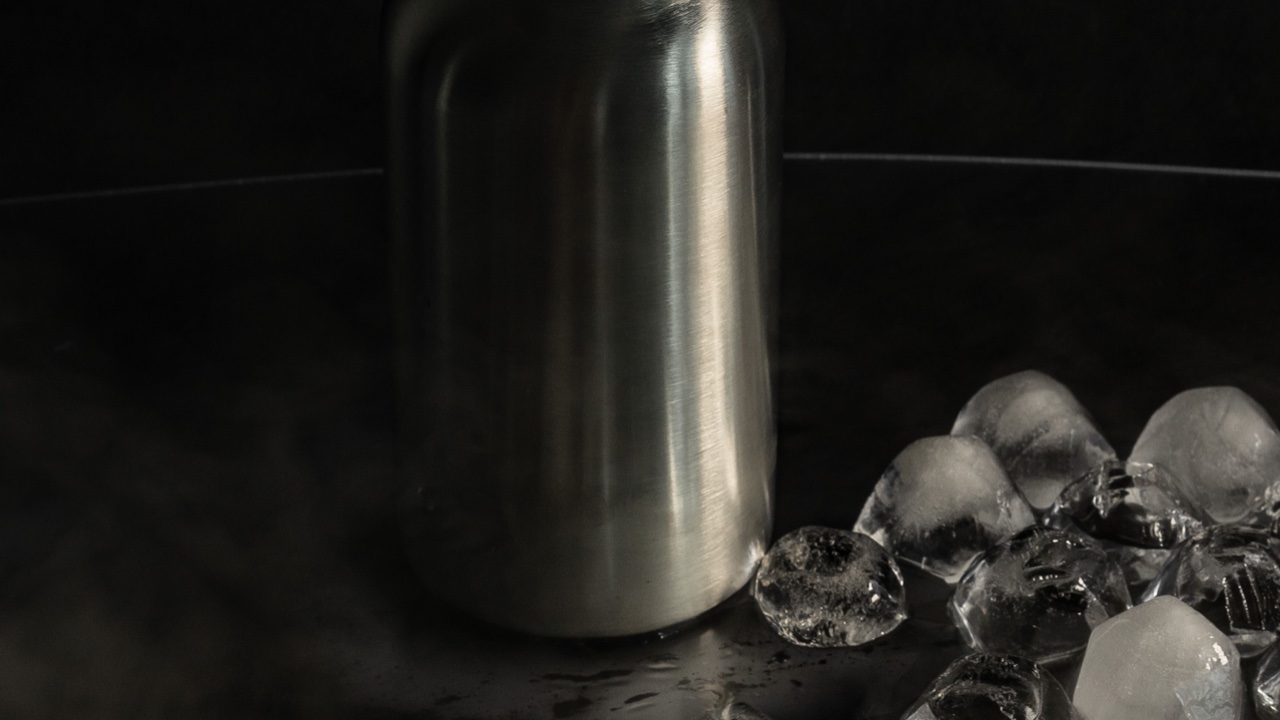
First-time wholesale tumbler buyers make consistent mistakes, and they almost always involve assuming the supplier knows what they need when they don’t. A purchase order that says “500 stainless steel tumblers, 20oz, black” leaves enough ambiguity to produce a shipment that technically matches the order but isn’t what you wanted. Lid type, wall thickness, surface finish, certification requirements, packaging — none of these are determined by that description, and suppliers will make the default choices for each rather than asking.
Specifying correctly the first time avoids sample rejections, delayed shipments, and the particular frustration of receiving a large order that doesn’t work for your use case.
The Specification That Actually Determines Insulation Performance
Double-wall construction is the baseline expectation for any wholesale stainless steel tumblers being sold or used in an application where temperature retention matters. The distinction that most buyers miss is vacuum vs non-vacuum double wall.
A double-wall tumbler with a plastic spacer between the walls provides some insulation but produces condensation on the exterior with cold drinks — the same problem as a single-wall product for desk use. A vacuum-insulated double-wall tumbler removes the air between the walls, eliminating condensation and providing substantially better temperature retention.
When you see a product described as simply “double-wall,” it may or may not be vacuum-insulated. Specify “vacuum-insulated double wall” explicitly and ask the supplier to confirm this is what they’re quoting. The product spec sheet should indicate vacuum insulation; if it doesn’t appear anywhere in writing, ask why.
Lid Types and What They Affect
Lids are the most-used part of a tumbler and the most common source of quality complaints. The main types and their practical implications:
Slide lid (sometimes called a push lid or sliding lid): opens with a thumb slide, allows sipping or straw use. Popular for desk and commute use. Leakage risk exists if the slide doesn’t seal fully against the opening — the degree of leak resistance varies significantly between designs. Specify whether you need the tumbler to be drink-through-lid leak-proof (where the lid seals completely when closed) or just splash-resistant.
Screw-on threaded lid: the most reliable seal, least prone to leakage, but requires two-hand operation to open. Best for products where security matters more than convenience — outdoor use, sports, transport.
Straw lid: designed with a straw port and a plug or stopper. Popular for daily carry. Straw diameter matters — if you’re stocking metal straws separately, confirm the straw OD (outer diameter) matches the port size. Standard straw ports accept 6mm OD straws; some premium designs use different dimensions.
Handle lid: adds a handle to the lid body. Popular for 20oz-30oz tumblers used for hot drinks. Adds bulk; confirm the overall height with handle doesn’t create storage or shelf issues.
Wall Thickness and What It Signals
The inner and outer walls of a stainless steel tumbler are specified in gauge or millimeters. Thicker walls mean more material, better feel, and generally better durability. Typical range is 0.5mm to 0.8mm per wall.
A product with 0.5mm walls will feel noticeably lighter and slightly flimsier than one with 0.8mm walls — both may appear similar in photos or descriptions. For premium positioning, specify 0.8mm walls or ask the supplier for the exact wall thickness and compare across quotes.
Weight is a proxy for wall thickness when you have samples in hand. A 20oz tumbler that feels suspiciously light for its size usually has thinner walls than the spec suggests.
Surface Finish Options
The four surface finishes for stainless steel tumblers:
Powder coat: a paint-like coating applied electrostatically and cured under heat. Available in a wide range of colors. Durable, provides good grip, holds laser engraving well. Can chip with heavy impact. The most common finish for branded drinkware.
Matte powder coat: a flat finish version. Slightly less resistant to marking than glossy powder coat but preferred aesthetically for many brands.
Electroplated / metallic finish: creates mirror-like or metallic effects. More visually premium than powder coat but less durable and typically more expensive.
Brushed stainless: no coating, the bare brushed metal surface. Cannot hold laser engraving contrast as visibly as powder coat. Some buyers prefer the raw material look; others find it difficult to brand effectively.
Food Safety Certifications
For products sold in the US, FDA compliance for food-contact materials is the baseline. For European markets, LFGB (German food safety standard, often more stringent) is commonly specified. Both cover migration of substances from the container into food or drink.
If you’re selling through a retailer or distribution channel with specific certification requirements, identify those before placing the order rather than after. Retrofitting certification testing to an existing product is expensive and time-consuming. A supplier who manufactures to both FDA and LFGB standards can provide documentation; one who can’t produce the test reports on request may not actually have them.
Packaging Specification
Individual packaging affects unit cost and the end-user experience. The options:
White box: plain white cardboard, minimal cost, no branding. Appropriate for B2B or bulk resale where the packaging will be replaced.
Brown kraft box: natural finish, eco positioning. Slightly more premium than white box.
Custom printed box: your brand’s design on the packaging. Minimum order quantities for custom boxes are typically higher than for the tumbler itself — clarify whether the MOQ for custom packaging matches your tumbler order quantity or requires a separate minimum.
Gift box with insert: rigid box with foam or paperboard insert holding the tumbler upright. Premium positioning, higher unit cost.
Specify the packaging type on the PO. Receiving 500 tumblers in bulk bags when you expected individual boxes is a logistics problem that costs time and money to correct.